
Return to the Village Rhythm
We welcome you to meander through rustic Madhya Pradesh as you make your way to one of India’s most prolific national parks. The transformation from urban to rustic begins the moment you leave the airport. The city fades in your rearview mirror — the traffic and grey concrete giving way to quiet roads zig-zagging through lush green hills. Somewhere between the last honk of an autorickshaw and the first birdsong, you will find yourself in the heart of India. Quite literally.
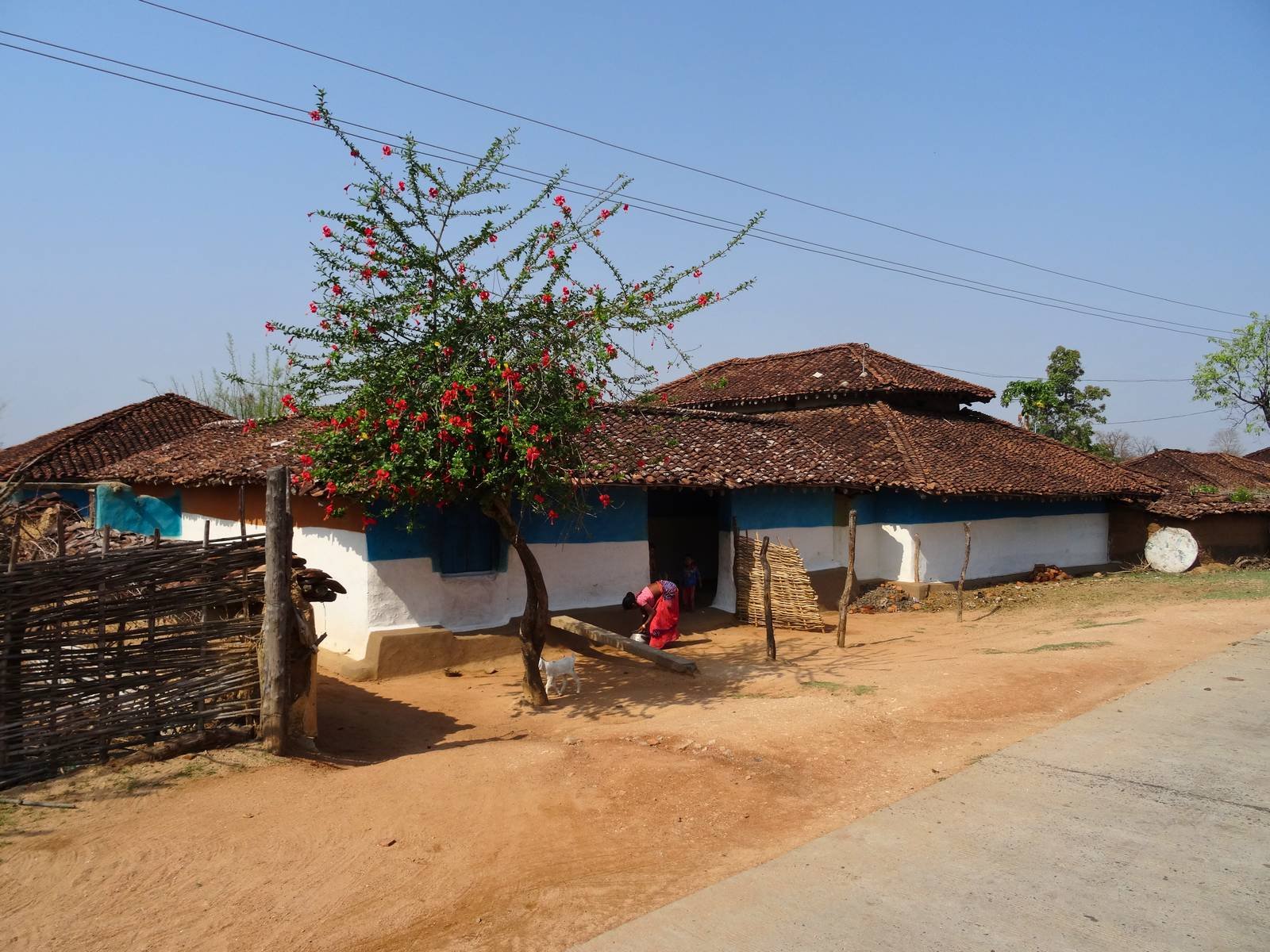
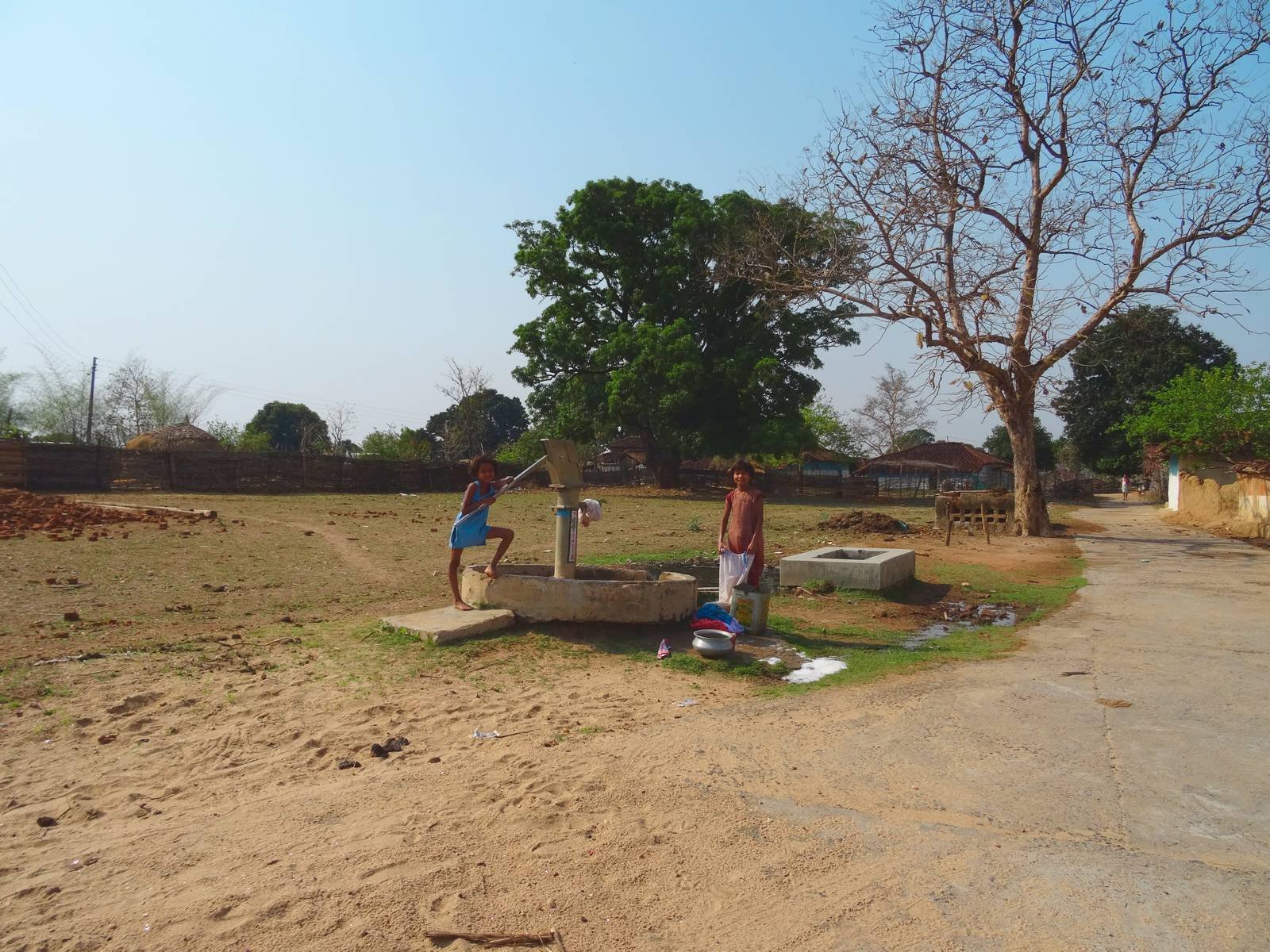
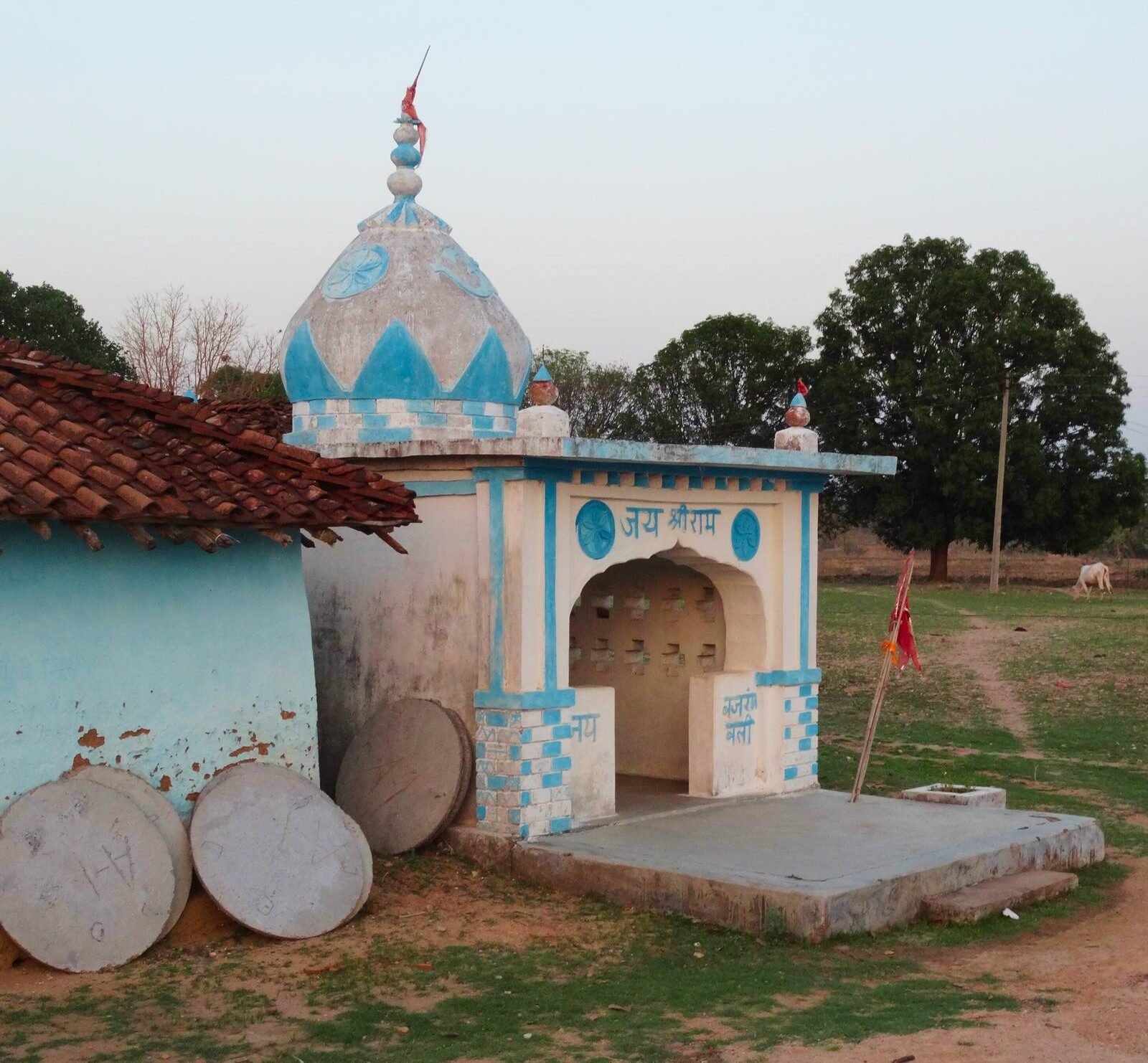
As you get closer to Kanha National Park, scenes of a village life will play out like frames in a movie – children skipping along mud paths, motorised carts ambling by, people sitting outside their tiled mud huts and a few gathered by the hand pumps to draw water from the ground. You’ll also see temples of different shapes and sizes, some as simple as an idol under a tree, others with proper concrete structures.
Life here is beautifully quiet, and full. As you stroll through the village main roads, you’ll be greeted with shy smiles and curious glances. Children chase each other with handmade toys as their mothers draw water from the well or hand pump. The fathers are mostly sun-worn and sturdy from working in the fields. The village elderly will likely be gathered at the local tuck shop, typically the only one around and the go-to supplier of bidi, tobacco leaves hand rolled into cigarettes.
You’ll notice a certain decorum and order to things. Peek into any courtyard and you’ll find neatly swept floors, floral motifs hand-painted on door frames, and every object placed just where it’s needed most. Almost every home grows its own vegetables, and pumpkins trail lazily over the tiled roofs, vines cascading like green veils from roof to soil.
Everything is well-kept, and it’s a matter of quiet pride for the locals.
In this sea of well-organised brown and mud, you’ll also see a spot of white and blue. This is Kutwahi, a village located about 10 kms from the national park. The houses here are all painted in the same white and blue, appearing as a fresh breath of air. From here, you can see the forest’s edge in the distance.
Overall, there’s a sense that life here is not just slow, but deeply rooted, content, and timeless. We invite you to walk these roads, spend a day in a village, and experience a way of life that’s remained largely unchanged for hundreds of years.


Comments are closed